For years, the case for buying an electric car in Britain rested partly on the future — lower emissions, coming regulations, the sense that this was where things were heading. The day-to-day economics were murkier. Then oil prices spiked, petrol got expensive, and the maths quietly flipped. For many drivers, running an electric vehicle is now cheaper than running a petrol one. But “cheaper” hides a more interesting story.
The pump versus the plug
The headline comparison is simple enough. When fuel prices soar, every mile in a petrol car costs more, while the cost of charging an electric car — especially at home, overnight, on a cheap electricity tariff — stays relatively stable. That gap is what has tipped the running-cost calculation in favour of EVs for a lot of households.
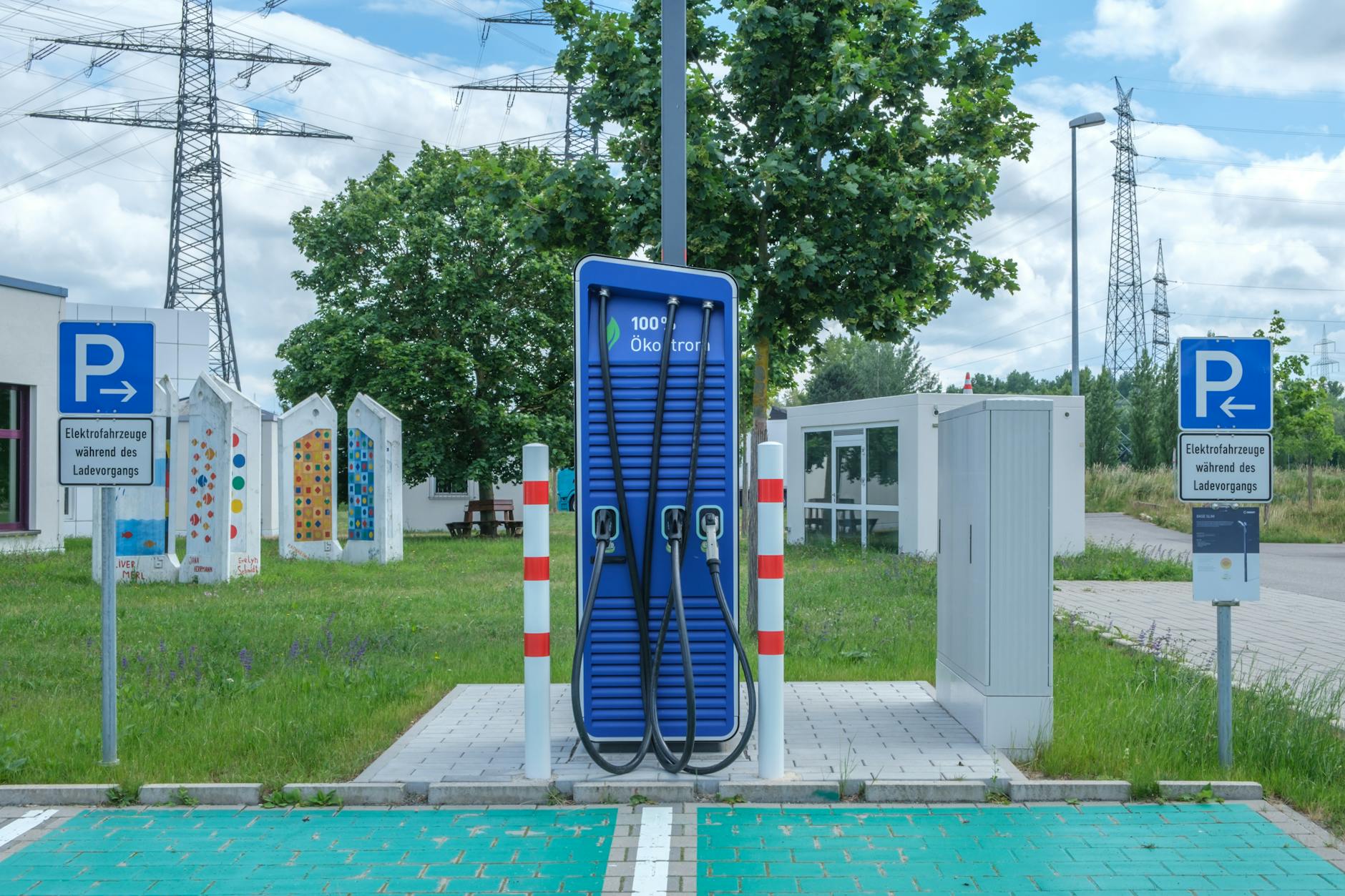
The key phrase, though, is “at home.” Charging on your own driveway at an off-peak rate is dramatically cheaper than using public rapid chargers, which can cost several times as much per unit of energy. The economics of an EV depend enormously on where you charge — which is why the savings are real for some drivers and far thinner for others.
The costs that aren’t fuel
Running cost is only one column in the ledger. A fair comparison has to include the things people tend to forget:
- Purchase price. Electric cars still tend to cost more upfront than equivalent petrol models, though the gap has been narrowing. A lower running cost has to pay back that difference over time.
- Depreciation. How much value a car loses matters as much as what it costs to run — and EV resale values have been less predictable than petrol’s long-established patterns.
- Charging access. If you can’t charge at home, your savings shrink, and the convenience calculation changes entirely.
- Servicing. EVs have fewer moving parts and often lower maintenance costs, which can quietly tilt the long-run total back in their favour.
Why fuel prices are the wild card
The thing that makes this comparison so unstable is that it hinges on something neither driver controls: the global oil price. The recent spike was driven by conflict around the Strait of Hormuz; the subsequent fall came when a deal reopened that shipping lane. A petrol driver’s costs ride those waves directly.
Electricity prices are not immune to energy-market shocks either, but for home chargers on fixed or off-peak tariffs, the ride is generally smoother. That relative stability is part of what makes the EV case stronger when oil is expensive and volatile.
The honest bottom line
There is no single right answer, because it depends on you. If you can charge at home, drive a fair number of miles, and keep the car for several years, soaring fuel prices have probably made an EV the cheaper choice over its lifetime. If you rely on public chargers, drive very little, or change cars frequently, the case is weaker.
What has genuinely changed is that the question is now worth asking seriously, on pure economics, rather than as a bet on the future. When petrol gets expensive enough, the spreadsheet — not just the conscience — starts pointing toward the plug.



Comments