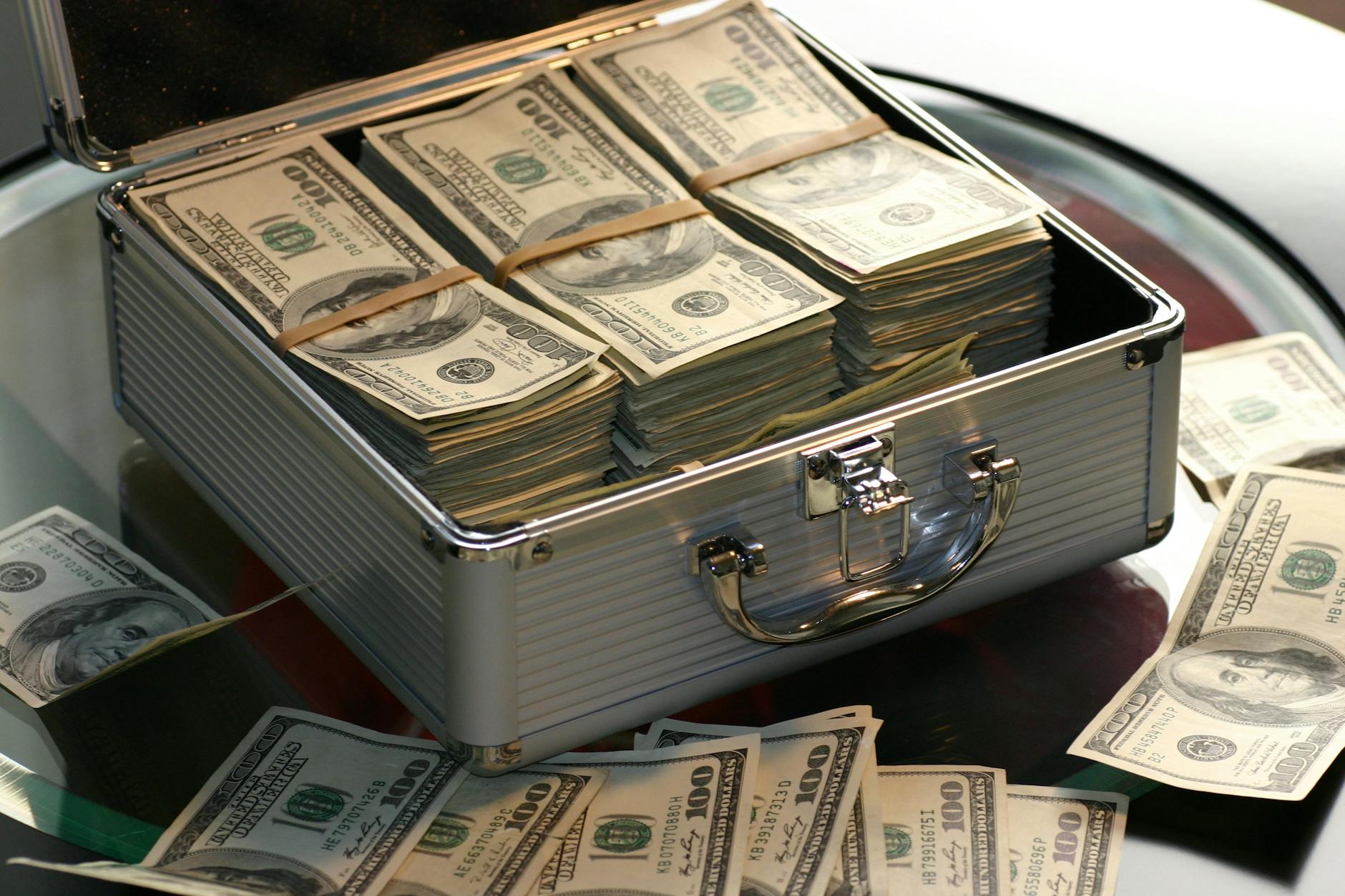
Your grandparents almost certainly told you what things “used to cost,” and the numbers always sound absurd — a cinema ticket for a few coins, a full meal for pocket change. They weren’t exaggerating, and prices didn’t rise because shopkeepers got greedier over the decades. They rose because of inflation: a slow, steady erosion in the value of money itself. Understanding it explains not just why your money buys less over time, but why governments and central banks obsess over a single percentage point.
Inflation is a fall in the value of money, not just a rise in prices
The simplest definition is this: inflation is the rate at which the general level of prices for goods and services rises over a period of time. But there’s a more useful way to flip it around. When prices rise, each unit of currency buys fewer goods and services — so inflation is really a decline in the purchasing power of money.
That distinction matters. It’s tempting to think of inflation as things “getting more expensive,” as if the goods changed. Often they didn’t. A loaf of bread is the same loaf; what changed is that your money is worth a little less than it was. This is why economists talk about inflation eroding the value of currency over time, like a tax you never see on a bill but pay on everything you buy.
One more clarification: inflation describes the general price level, not any single item. The price of one vegetable jumping after a bad harvest isn’t inflation — that’s a relative price change. Inflation is when prices across the whole basket of what people buy drift upward together.
How it’s actually measured
You can’t weigh the value of money directly, so economists track it indirectly by pricing a fixed shopping list. The most common tool is the Consumer Price Index, or CPI, which measures the average change over time in the prices paid by consumers for a representative basket of goods and services — food, housing, transport, clothing, healthcare, and more.
Statisticians record the cost of that basket month after month. If the basket cost 100 last year and 105 this year, prices rose 5 percent, and that’s your inflation rate. The basket is weighted to reflect how people really spend — housing and food count far more heavily than, say, postage stamps — and it’s updated periodically as habits change. It’s an imperfect snapshot of an unimaginably complex economy, but it’s a consistent one, which is what makes year-to-year comparisons meaningful.
What actually causes prices to rise
Inflation isn’t one thing with one cause; it usually springs from one of a few distinct pressures, and economists have names for them.
The first is demand-pull inflation — too much money chasing too few goods. When households and businesses collectively want to buy more than the economy can produce, sellers respond by raising prices. This is the classic overheating economy: strong demand, limited supply, prices climb.
The second is cost-push inflation — when it gets more expensive to make things. If the price of oil, raw materials, or wages jumps, producers pass those higher costs on to customers. An energy shock is the textbook example: when fuel costs spike, almost everything that has to be grown, made, or shipped gets pricier in turn.
The third, and most fundamental over the long run, is the money supply. If the amount of money in circulation grows much faster than the amount of goods and services available to buy, each unit of money is diluted — much as printing more tickets to the same concert doesn’t create more seats, only more competition for them. Sustained, severe inflation is almost always tied to money expanding far faster than real output.
Why a little inflation is considered healthy
Here’s the counterintuitive part: the goal of most central banks is not zero inflation. It’s a small, steady amount — most famously, the 2 percent target adopted by the U.S. Federal Reserve and echoed by many other central banks. Why deliberately aim for your money to lose a sliver of value every year?
Two main reasons. First, a small buffer keeps the economy safely away from deflation — actually falling prices — which sounds wonderful but is dangerous. When people expect prices to fall, they delay spending (“it’ll be cheaper next month”), demand dries up, businesses cut jobs, and the economy can spiral downward. A gentle, predictable rise in prices keeps money moving.
Second, mild inflation gives policymakers room to manoeuvre. It lets central banks cut interest rates meaningfully in a downturn, and it allows wages and prices to adjust more smoothly than they could if everything had to fall outright. The 2 percent figure is essentially a Goldilocks number: high enough to avoid deflation’s trap, low enough that people barely have to think about it in daily life.
When it goes wrong: high inflation and hyperinflation
Stability is the whole game, and inflation becomes destructive when it climbs high or, worse, becomes unpredictable. Rapid inflation punishes anyone holding cash or fixed savings, scrambles long-term planning, and tends to hurt those on fixed incomes hardest, since their money shrinks while prices race ahead.
At the extreme lies hyperinflation — inflation so fast that money loses value by the day or even the hour. History’s most infamous cases, from 1920s Germany to more recent episodes, share a common root: governments printing money on a massive scale to cover spending, shattering public confidence in the currency. Prices then rise not just because of supply and demand but because everyone expects them to keep rising, and rushes to spend before money loses more value — a self-feeding spiral. Hyperinflation is rare, but it’s the nightmare that makes central bankers so vigilant about the ordinary kind.
How central banks try to control it
The main lever is the interest rate. When inflation runs too hot, central banks raise rates. Borrowing gets more expensive, saving gets more attractive, spending and investment cool, demand eases, and price pressure subsides. When the economy is sluggish and inflation too low, they cut rates to encourage borrowing and spending.
It’s a blunt and slow instrument — rate changes take many months to ripple through an economy, and they affect everyone, not just the overheating parts. Central banks are essentially steering a very large ship with a long delay between turning the wheel and changing course, which is why getting inflation policy “right” is one of the hardest jobs in economics.
What it means for everyday life
You don’t need to forecast inflation to feel its effects, but understanding it changes how you read the world. It explains why a salary that doesn’t rise is quietly a pay cut in real terms — your “real” wage is what your pay can actually buy, not the number on the slip. It explains why money left idle slowly loses ground, and why economists distinguish constantly between nominal figures (the raw number) and real ones (adjusted for inflation).
Above all, inflation reframes a basic fact about money: a currency’s value isn’t fixed and eternal. It drifts, usually downward, shaped by supply, demand, and the decisions of central banks trying to keep that drift slow and predictable. The reason your grandparents’ prices sound impossible isn’t that the past was a bargain — it’s that the rupee, the dollar, and every other currency are quietly, continuously being repriced, one year at a time.


Comments