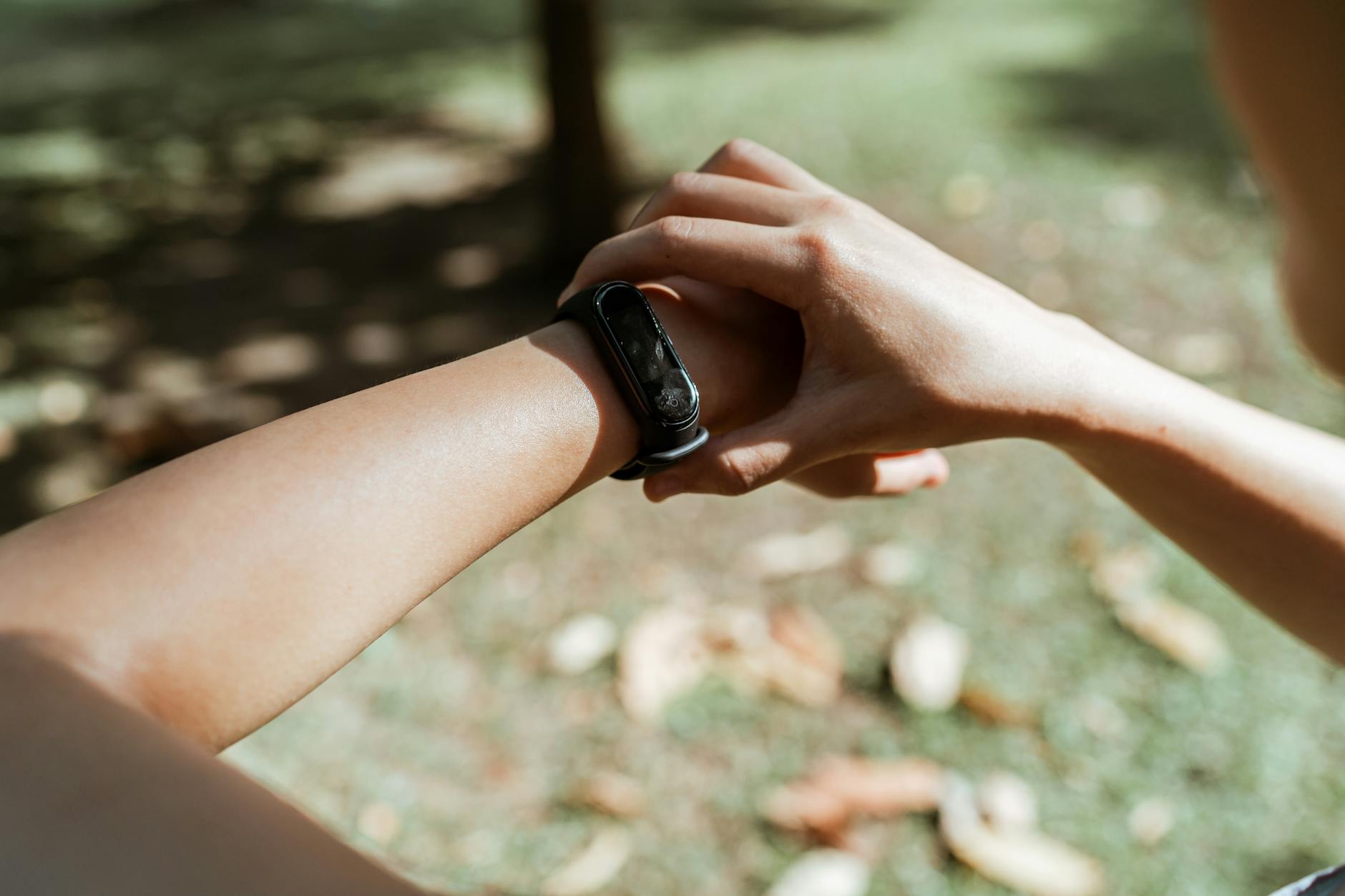
For a brand that spent the last couple of years looking like it had been quietly shelved, Fitbit just did something interesting: it shrank. The new Fitbit Air is the smallest, cheapest device Google has ever put the Fitbit name on — a screenless little pebble that you wear and forget, while it logs your heart rate, sleep, and workouts in the background.
It is also a statement of intent. After years where the only new “Fitbit” hardware was really a Pixel Watch, the Air signals where Google thinks the mainstream tracker market is going — away from busy smartwatches, and toward calm, always-on sensors that feed an AI coach.
What the Fitbit Air actually is
The pitch is simplicity. The Air has no screen. There are no buttons to fiddle with, no watch face to configure, no notifications buzzing on your wrist. It is a sensor on a woven band, and everything you actually see lives in the Google Health app on your phone.
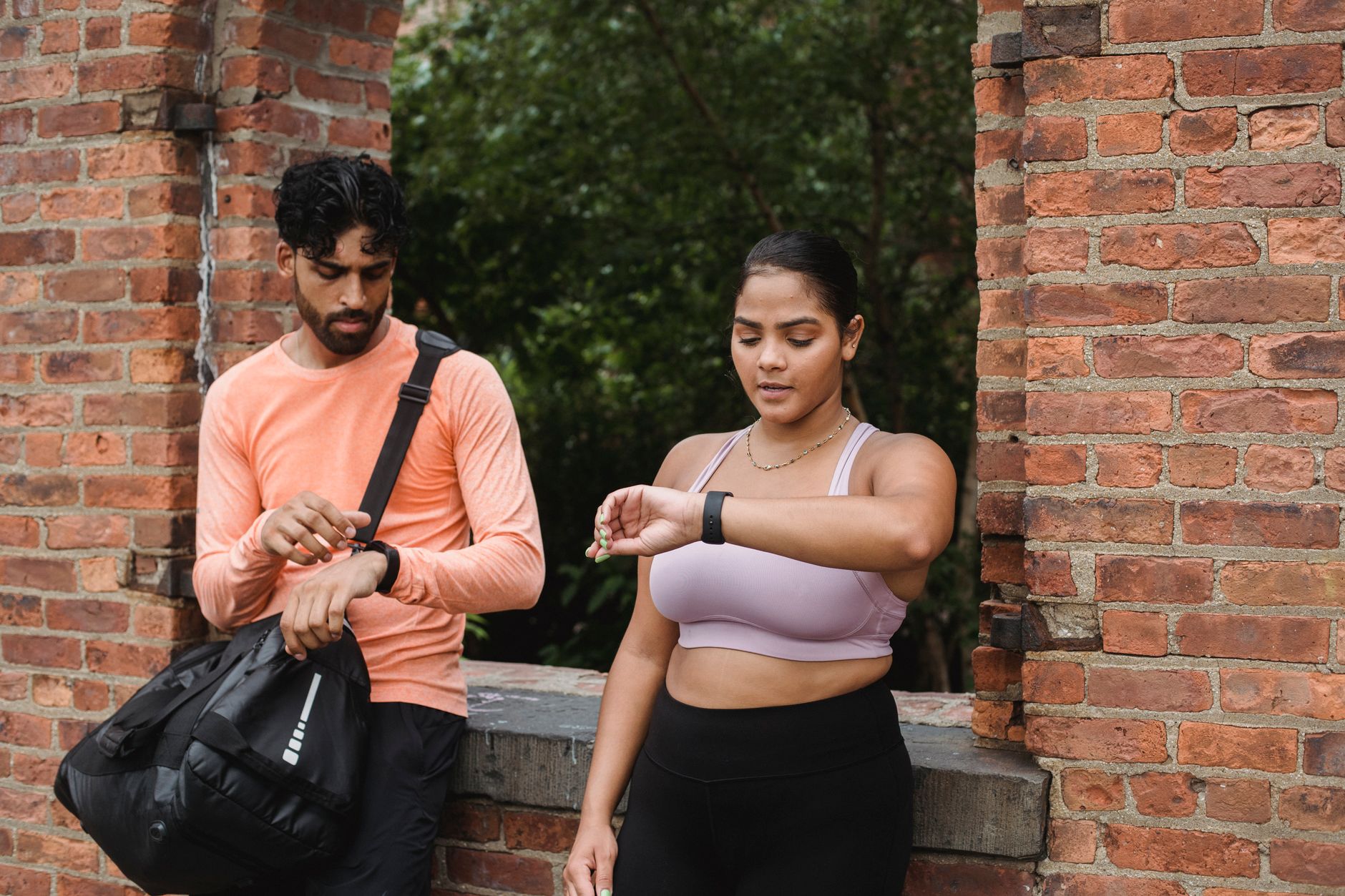
Despite the size, the sensor list is surprisingly complete. The Air tracks 24/7 heart rate, heart-rhythm monitoring with atrial-fibrillation alerts, blood-oxygen (SpO2), resting heart rate, heart-rate variability, and sleep stages. It detects workouts automatically and syncs them over to the app without you pressing anything. Google rates it for up to a week of battery life — the payoff for ditching a power-hungry display.
The price is the headline
Here is where it gets genuinely notable. In the US, the Fitbit Air starts at $99.99, with a three-month trial of Google Health Premium included. (Pricing and bundles vary by region — in Australia, for example, it launched higher, around AU$199 RRP.) That puts the entry price right at the psychologically important hundred-dollar line, undercutting almost every smartwatch in Google’s own range.
That is the point. The Air isn’t trying to compete with the Pixel Watch. It is trying to win the person who finds smartwatches “too bulky, too complicated, or too expensive” — Google’s own words — and who just wants their health quietly measured.
It’s really a doorway to the AI coach
The Air makes more sense once you see it as hardware built for software. Google has been pushing a revamped, AI-powered Fitbit/Google Health Coach, and the Air is the cheapest possible way to get a sensor on your wrist that feeds it. The screenless design isn’t just about battery — it nudges you to stop staring at the device and start listening to the coaching in the app.
That also explains the Premium trial in the box. The real product Google wants you in is the subscription, where the personalized insights and coaching live. The Air is the affordable on-ramp.
Who should actually buy it
A few honest distinctions:
- Buy the Air if you want effortless 24/7 health tracking, hate charging gadgets every night, and don’t care about an on-wrist screen or built-in GPS.
- Don’t buy it if you’re a runner or cyclist who needs standalone GPS — the Air doesn’t have it, and it relies on your phone.
- Wait if you’re holding out for the rumored Fitbit Charge 7, a more capable tracker with built-in GPS that’s widely expected to surface around Google’s autumn hardware event — though Google hasn’t confirmed it, and some leakers now whisper early 2027.
The bigger picture
The Air is a small device carrying a big strategy. It revives the lighter, cheaper half of the Fitbit lineup that had gone dormant since 2022, and it does so in a form factor — screenless, subscription-linked, AI-fed — that looks a lot like where Google wants wearables to head next.
Whether that excites you depends on how you feel about your fitness data living behind a monthly fee. But as a piece of hardware, the Fitbit Air is the most interesting thing the brand has shipped in years, precisely because it does so little on your wrist and so much in the cloud.

Comments