
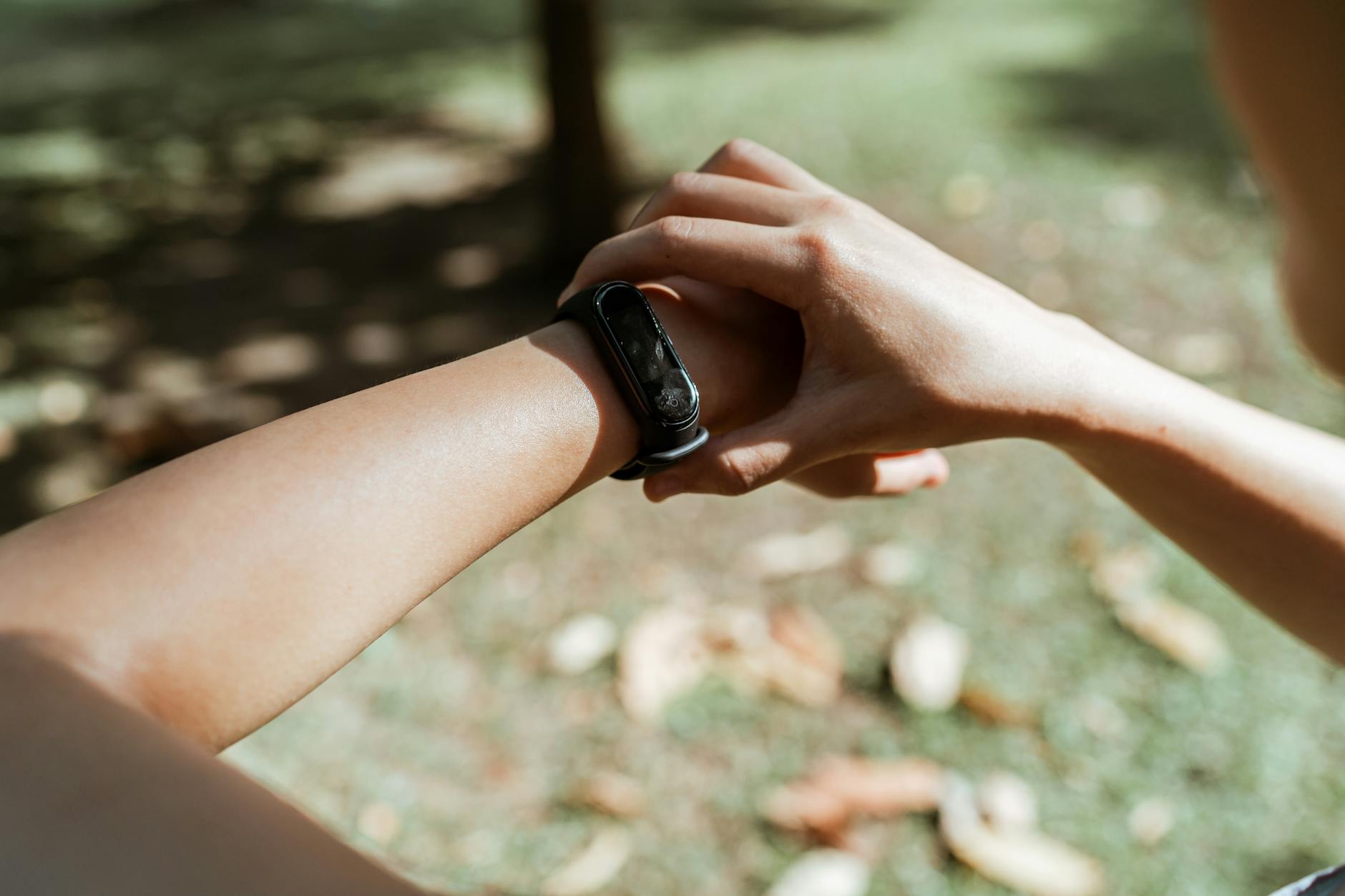
The idea behind a screenless tracker is appealing: stop staring at numbers on your wrist, just wear a sensor and let an app (and increasingly, an AI coach) tell you what to do with the data. Whoop pioneered this niche with athletes; now Google’s Fitbit Air brings it to the mainstream. They look similar, but they’re built for different people. Here’s how they compare.
The core idea is the same
Both devices are screenless bands that track your body 24/7 and push everything to a phone app. Neither wants you tapping at your wrist; both want you reading insights and following coaching. If the concept of “a tracker with no display” appeals to you, either one delivers it.
Price and the subscription catch
This is the sharpest difference.
- Fitbit Air: starts around $99.99 in the US, and it works on its own. Google bundles a three-month Google Health Premium trial, after which the richer AI coaching sits behind a subscription — but core tracking continues without one.
- Whoop: the hardware is effectively inseparable from the membership. Whoop runs on an annual subscription model (historically starting around $149/£169 a year), and the device is built around that ongoing relationship.
Takeaway: Fitbit Air is far cheaper to start and usable without paying monthly; Whoop is a committed, subscription-first system.
Who each one is really for
- Fitbit Air targets the mainstream — people who find smartwatches too bulky or pricey and just want effortless health monitoring: 24/7 heart rate, AFib alerts, SpO2, HRV, and sleep stages, with up to a week of battery.
- Whoop targets serious athletes and the deeply data-driven, leaning into recovery, strain, and training-load analytics. Its audience is people who’ll actually act on granular recovery scores.
Ecosystem matters
The Fitbit Air plugs into the Google Health world and its new AI coach, and it works with both Android and iOS. If you already live in Google’s services, the Air slots in neatly and benefits from Google’s bet on AI-driven coaching going forward.
Whoop is its own self-contained ecosystem — polished and athlete-focused, but narrower, and it asks for that yearly commitment to stay useful.
The verdict
- Get the Fitbit Air if you want an affordable, low-commitment way to track your health, value a week of battery, and like the idea of AI coaching without a mandatory subscription to even start.
- Get Whoop if you’re an athlete who lives and breathes recovery metrics and is happy to pay yearly for a system designed around that.
For most people, the Air’s $99.99 entry price and no-subscription-required basics make it the easier recommendation. Whoop remains the specialist’s choice — excellent at what it does, but priced and pitched for a narrower crowd. The screenless category just got a lot more accessible, and that’s good news whichever way you lean.


Comments